Home » Organization » Chores

Chores for 9 Year Olds

Last updated: December 23, 2024 by Nicole

A list of age appropriate chores for 9 year olds with free printable chore chart templates

Chores for 9 year olds

Chore List for 9 Year Old

What are appropriate chores for a 9 year old?

The following list includes chores for nine-year-olds but it is important to recognize that each child develops at a different pace and it is only meant to help you understand which chores are typical for 9 year olds. However, not all kids will be capable of doing all of these chores. If not, adapt the chore list accordingly.
chore list for 9 year olds

or read the chore list below.

Daily Chores

  • Morning Routines: Brush their teeth, comb their hair, and tidy up their personal space.
  • Clear the Table: Help remove dishes and put leftovers away after meals.
  • Water Plants: Care for indoor or outdoor plants regularly.
  • Feed Pets: Measure and serve food for pets, ensuring they have fresh water.
  • Tidy Shoes and Coats: Keep entryways organized by arranging shoes and hanging coats.
  • Make their bed: Ensure pillows are fluffed, and blankets are smooth.
  • Put away clean dishes: Stack cups, plates, and utensils in their respective places.
  • Wipe kitchen counters: Use a safe cleaner to remove crumbs or spills.
  • Organize their backpack: Ensure homework, lunchboxes, and supplies are in order.
  • Pick up their room: Put toys, clothes, and books back in place.
  • Sweep kitchen floors: Use a small broom and dustpan after meals.
  • Feed fish: Follow proper feeding instructions to avoid overfeeding.
  • Help set the table: Lay placemats, utensils, and napkins for meals.
  • Fold bathroom towels: Keep neatly folded towels in their designated spot.
  • Dust small furniture: Use a cloth or duster for tables, chairs, and shelves.
  • Refill soap dispensers: Check and top up liquid soap in bathrooms or kitchens.
  • Hang up wet towels: Keep them from being left on the floor or furniture.
  • Sort dirty laundry: Separate darks, whites, and delicates.
  • Pick up outdoor toys: Ensure sports gear, bikes, and outdoor playthings are stored safely.

Weekly Chores

  • Take Out the Trash: Collect household trash and bring it to the curb or bin.
  • Vacuum Common Areas: Clean high-traffic areas like the living room.
  • Clean the Refrigerator: Wipe down shelves or throw out expired food with supervision.
  • Help Grocery Shop: Write down items from a list or help place groceries in the cart.
  • Help organize groceries: Sort pantry items and put them in their proper place.
  • Organize their closet: Sort shoes, clothes, and accessories.
  • Clean mirrors: Use a safe glass cleaner to remove fingerprints.
  • Restock toilet paper: Check bathrooms and replace rolls as needed.
  • Help meal prep: Wash vegetables or assist with simple kitchen tasks like peeling or mixing.
  • Water outdoor plants: Use a hose or watering can, focusing on garden beds or potted plants.
  • Clean out the car: Remove trash, shake out mats, and organize any items.
  • Organize a bookshelf: Group books by size or category for easier access.
  • Check for recycling: Sort and gather recyclable items.
  • Help wash laundry: Learn to measure detergent and start the washer.
  • Check and empty the mailbox: Bring in letters and packages.
  • Tidy a shared space: Clean up the living room or family room.
  • Fold and stack blankets: Organize throws on couches or beds.
  • Sort shoes in entryways: Match and line up pairs neatly.
  • Wipe down baseboards: Use a damp cloth to clean lower walls.

Occasional Chores

  • Assist with yard work and gardening: Pull weeds, plant flowers, pick up sticks, and gather trimmed branches.
  • Clean windows and sills: Wipe smudges from glass and dust or clean ledges.
  • Sort mail: Separate junk mail from important letters.
  • Organize the pantry: Help arrange items by category or date.
  • Shovel snow: Clear walkways during winter with a child-sized shovel.
  • Help rearrange furniture: Move lightweight items under supervision.
  • Wash the car: Vacuum the seats and clean the glass with a sponge or microfiber cloth.
  • Polish wood furniture: Apply polish and wipe it down with a clean cloth.
  • Wash outdoor toys: Clean dirt off bikes, scooters, or playhouses.
  • Sort holiday decorations: Assist with organizing or packing away items.
  • Clean out the refrigerator: Remove expired items and wipe shelves.
  • Wash pet bedding: Assist in cleaning and drying pet blankets or beds.
  • Sweep the garage: Clear dust and debris from the floor.
  • Organize the toolbox: Arrange screwdrivers, hammers, and other tools in order.
  • Change air filters: Help locate and replace filters.
  • Wipe down doorknobs and handles: Clean with disinfectant.
  • Sort toys to donate: Choose gently used items they no longer play with.
  • Clean patio furniture: Wipe down chairs, tables, and cushions.
  • Help paint small areas: Assist with touch-ups on walls or fences.

Life Skills Chores

  • Cook Simple Dishes: Learn to prepare easy meals, like sandwiches or scrambled eggs.
  • Learn Money Skills: Help with counting money for small transactions or family errands.
  • Learn to sew: Practice sewing on buttons or small rips in fabric.
  • Make a shopping list: Write down household items that need restocking.
  • Use basic gardening tools: Learn to use trowels or garden shears safely.
  • Help pack for trips: Lay out clothes and essentials for family vacations.
  • Learn to tell time: Practice setting alarms and reading clocks.
  • Make a phone call: Practice polite phone etiquette for simple calls.
  • Prepare lunchboxes: Pack sandwiches, snacks, and drinks.
  • Sort through old clothes: Decide which items to keep, donate, or repurpose.
  • Clean small appliances: Wipe down toasters, blenders, or microwaves.

Remember, every child is different. Encourage and praise their effort rather than expecting perfection. Adjust tasks to match their abilities and always provide clear instructions and demonstrations when introducing new chores.

Jobs for 9 Year Olds

Some people believe in paid chores and therefore are looking for work for 9-year-olds that they can get paid for. I personally believe in paid chores but I do think that kids should also have responsibilities and chores that they are not paid for. In my opinion, paid chores should be over and above what they should do each day. They should be able to choose paid chores and if they do them well then they get paid for them.

If you are looking for work for 9-year-olds then choose additional chores from the list above.

Chore Chart for 9-Year-Old

Each child develops at a different pace. Some kids might not be ready for some of these chores. If not, don’t push them. Check out our list of age-appropriate chores to find daily chores for kids that are more relevant.

Customize & Print

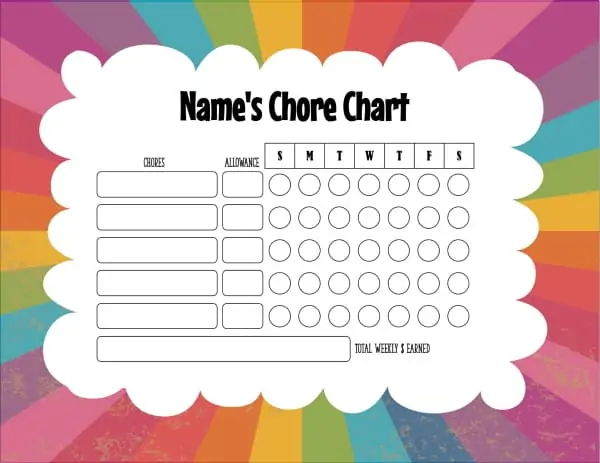
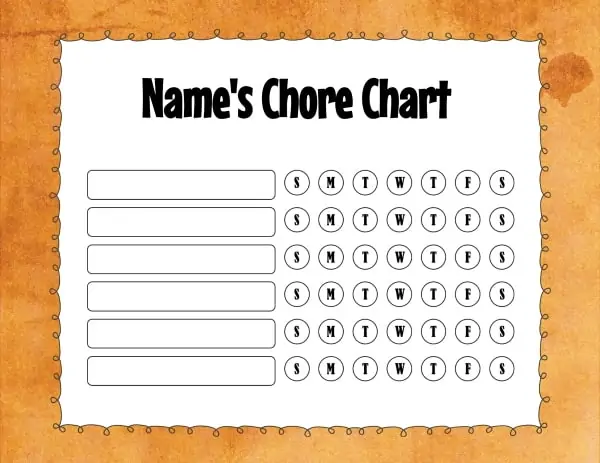
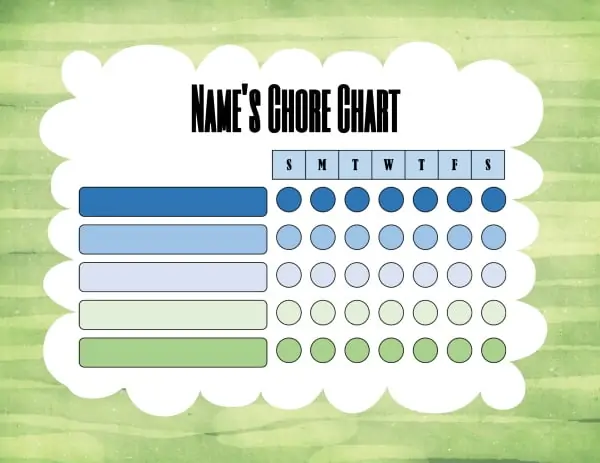
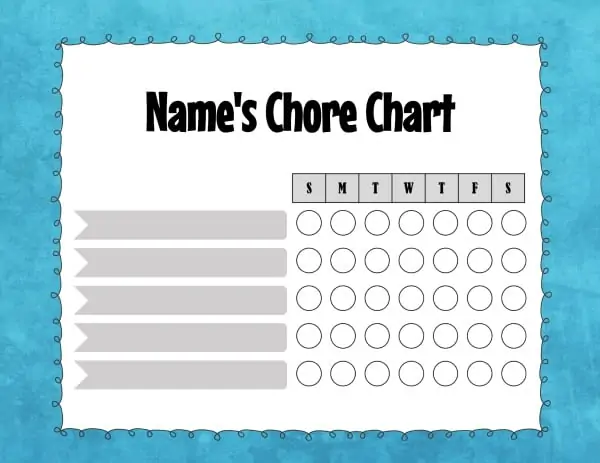
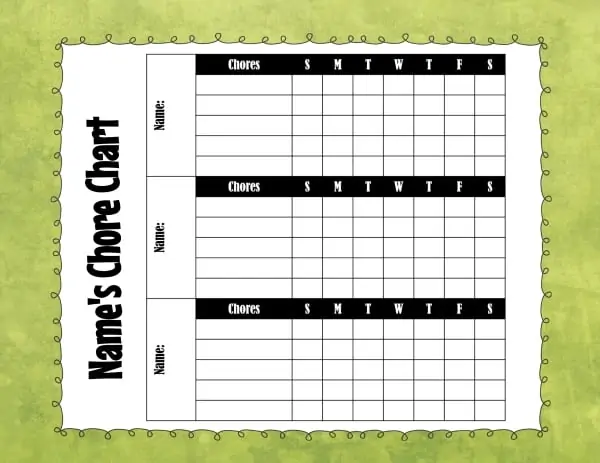
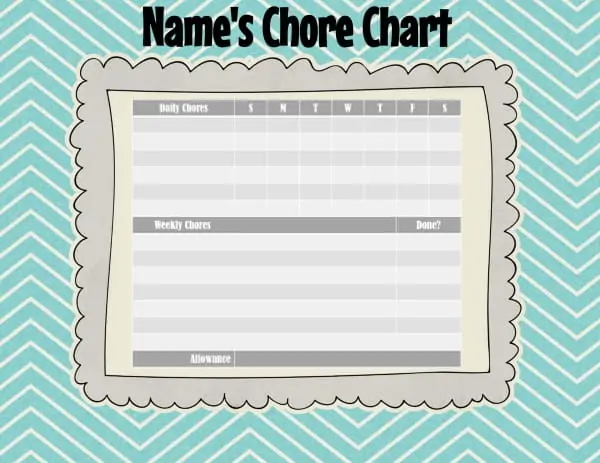
9 Year Old Chore Chart Templates

Children's chore chart
Printable chore chart

Customize & Print

chart with chores
chores list
chores chart
responsibility chart

Customize & Print

See chore chart for kids

How to Make a Custom Chore Chart

1. Open the chore chart app by clicking on the button below.

Customize & Print

2. Select any border.

Select a border

3. Select any chore chart layout. There are daily and weekly chore chart templates (Sunday or Monday start). Some charts track an allowance and some offer paid chores. Some have options for multiple children. Choose the chore sheet that works best for you.

chore chart insert

4. Edit the text.

5. Add clipart if you wish.

6. Download your printable chore chart.

Here are some sample chore charts made with the app. These are only samples and the possibilities are endless.

Customize & Print

See chore chart and family chore chart


Creating a chore chart for a 9-year-old can be an effective way to teach responsibility, organization, and the value of contributing to family life. Here are some tips to ensure the chart is engaging and successful:


Creating an Effective and Fun Chore Chart for Your 9-Year-Old

1. Customize the Chore Chart

  • Tailor the chores to your child: Choose tasks that suit your child’s abilities and interests. Include a mix of daily, weekly, and occasional chores.
  • Keep it visually appealing: Use our free chore chart maker to choose a chart that your kid loves.
  • Incorporate their input: Let your child help design or decorate the chart and suggest tasks they feel capable of doing. With our free chore chart maker you can change the borders, chore chart layout and add clipart and stickers. Let your child choose each of these elements.

2. Set Clear Expectations

  • Be specific: Instead of saying “clean your room,” break it down into smaller steps like “make your bed,” “put toys away,” or “fold clothes.”
  • Provide clear instructions: Demonstrate how to complete each chore to ensure your child knows what’s expected.

3. Add a Rewards System

  • Use positive reinforcement: Reward completed tasks with praise, stickers, or small treats.
  • Offer long-term rewards: Accumulate points for larger rewards like extra screen time, a family outing, or a small toy.
  • Focus on non-material rewards: Recognize their efforts with privileges like choosing a family activity or staying up late on weekends.

4. Keep it Age-Appropriate

  • Avoid overwhelming them: Limit the number of chores to 3–5 per day to keep it manageable.
  • Gradually increase responsibility: As they master basic chores, introduce more challenging tasks.

5. Make It Routine

  • Assign chores at specific times: Create a routine, such as tidying their room in the morning or helping with dinner in the evening.
  • Keep the chart in a visible place: Post it where they can easily see it, like the refrigerator or a bulletin board.

6. Encourage Accountability

  • Track progress daily: Use checkmarks, stickers, or magnets to mark completed chores.
  • Discuss the week’s progress: Hold a family meeting to review accomplishments and celebrate successes.

7. Use Technology (Optional)

  • Digital chore charts: Apps or online tools can make tracking progress more interactive and fun. You can download the chore chart in PDF format with our free chore chart maker and then open it in apps like GoodNotes or Notability to annotate and customize it digitally.
  • Timers or reminders: Use a timer to help them focus on completing tasks efficiently.

8. Rotate Tasks

  • Prevent boredom: Switch up chores occasionally to keep them from becoming monotonous.
  • Teach new skills: Rotate in tasks that challenge them to learn something new, like sorting laundry or helping cook.

9. Be Flexible

  • Allow for off days: If your child is sick or has a particularly busy day, be understanding.
  • Adjust as needed: Reevaluate the chart regularly to ensure it’s still effective and appropriate.

10. Celebrate Achievements

  • Show appreciation: Thank them for their help and highlight how their efforts benefit the family.
  • Make it fun: Turn chores into games or challenges, like racing to finish tidying up or seeing who can collect the most toys.

By following these tips, your chore chart will not only be an effective tool for managing household tasks but also a fun and empowering experience for your 9-year-old!

Click to rate this page!
[Total: 0 Average: 0]


About the Author
Photo of NicoleMy name is Nicole and I created this website to share the tools that keep me organized and productive and help me reach my goals. I hope that you will find them helpful too.
Being organized doesn’t come naturally to me, but I’ve learned that putting in the effort to stay organized significantly reduces my stress and makes me more productive. By using the planners and other templates on this site, I’ve been able to simplify my life and stay on top of my responsibilities.

Leave a Comment