
The last thing you want when you are in labor is to discover you forgot to pack something. Use our free hospital bag checklist to ensure you pack everything you’ll need!
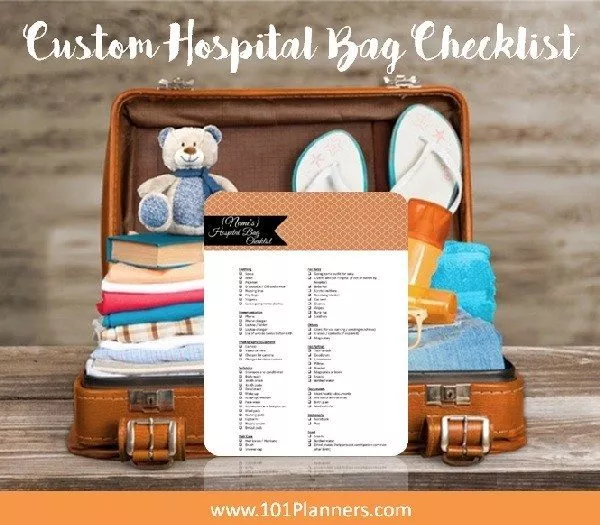
A free hospital bag checklist printable that you can personalize before you print. You can download, print, or send the customized list by email.
Printable Hospital Bag Checklist Template for Labor and Delivery
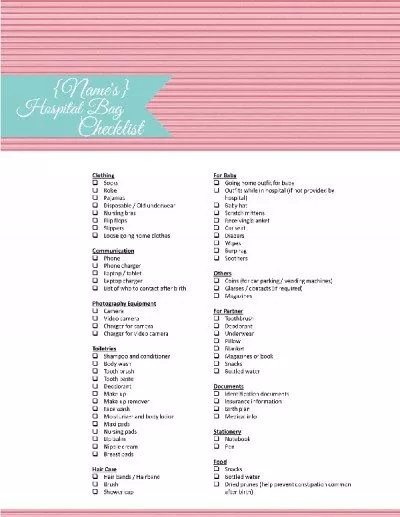
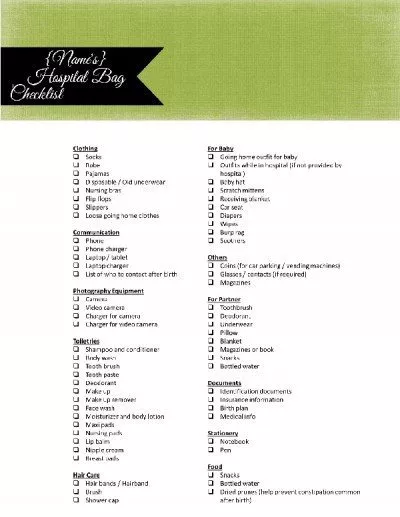
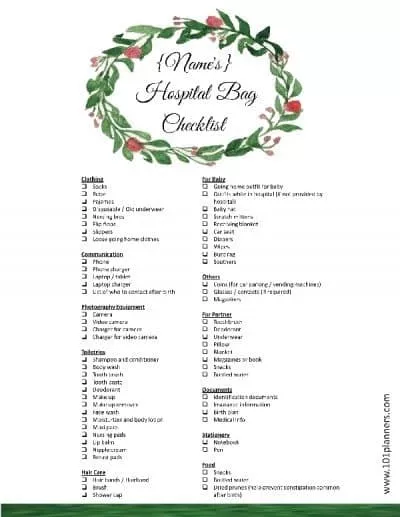
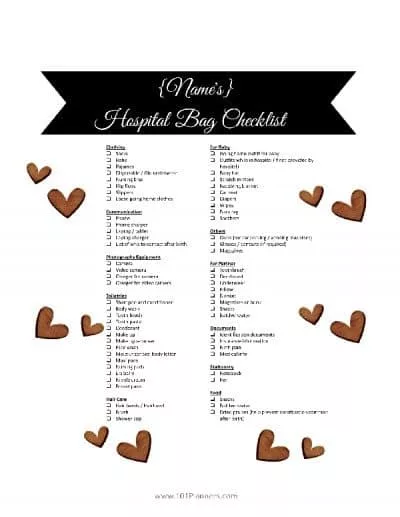
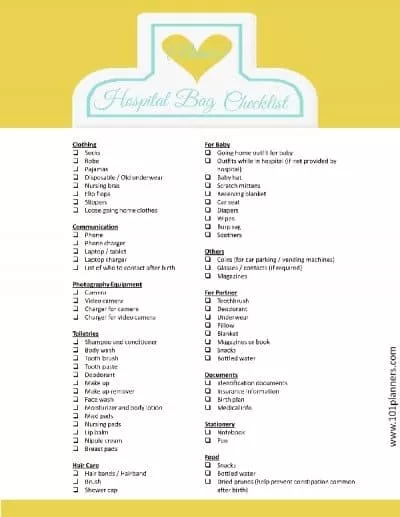
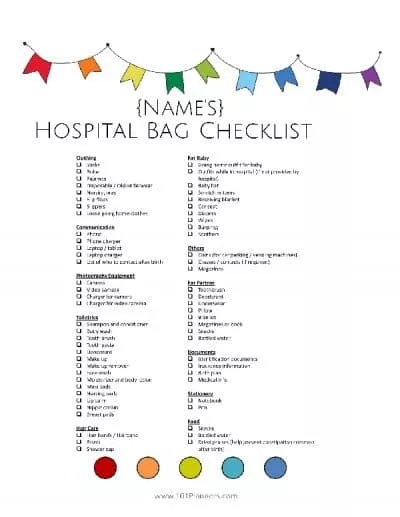
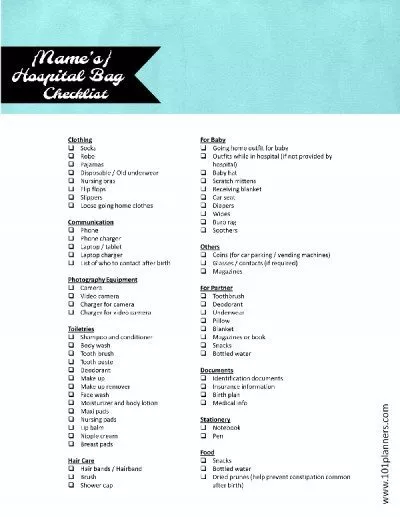
Below you will find a printable hospital bag checklist for labor and delivery to ensure that you don’t forget anything you will need during labor and after delivery. This list includes items that both mom and baby will require.
Printable Labor Bag Checklist

There are many different borders available but you cannot edit the checklist template. If you want to edit the checklist, then see our free labor bag checklist maker.
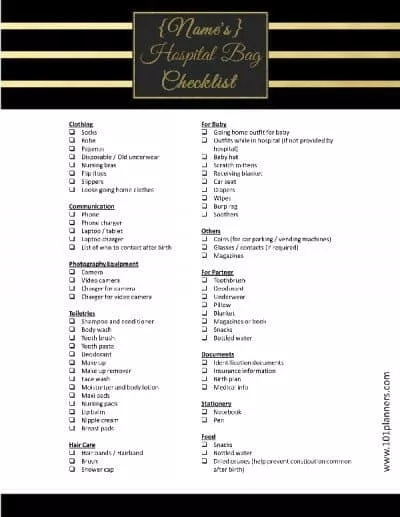
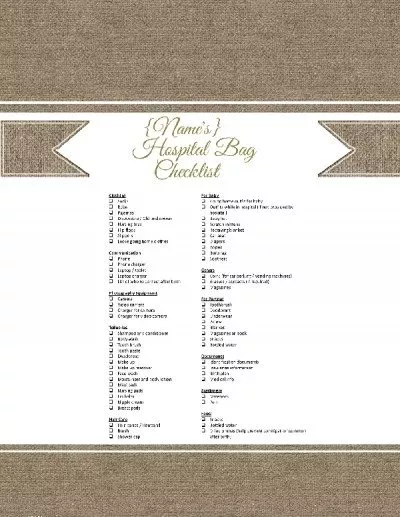
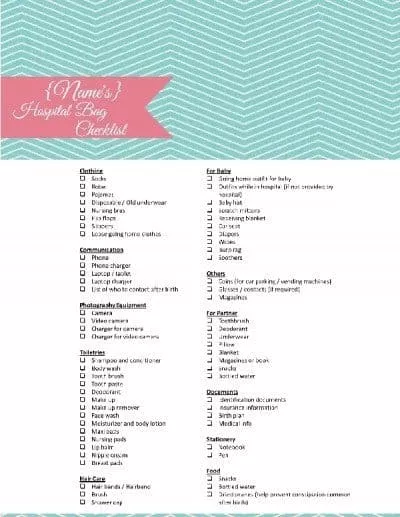
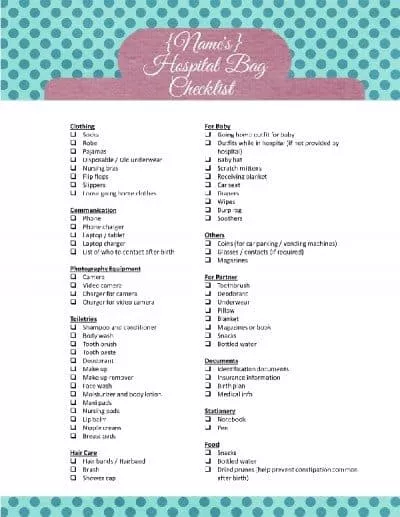
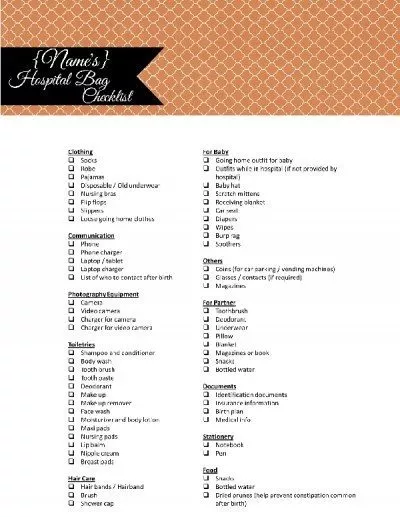
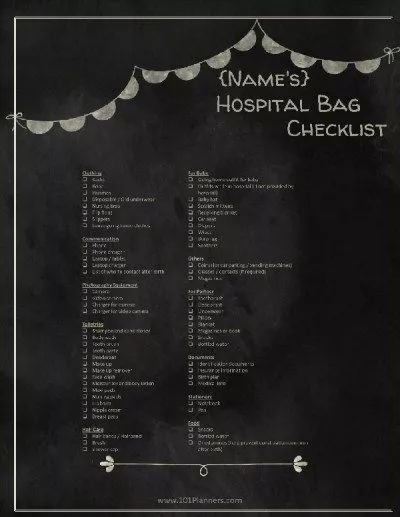
What to Pack in Hospital Bag?
When preparing a bag for labor, it’s essential to consider items that can provide comfort, support, and convenience during the process. Here are some suggested items to pack in your bag for labor:
- Comfortable Clothing: Pack loose-fitting, comfortable clothes, such as a nightgown or a loose T-shirt and pants, for labor and postpartum recovery.
- Slippers or Socks: Bring non-slip slippers or warm socks to keep your feet cozy during labor and for walking around the hospital.
- Snacks and Drinks: Pack light snacks and drinks to keep your energy levels up during labor. Opt for easily digestible options like granola bars, fruit, crackers, or electrolyte drinks.
- Toiletries: Include essential toiletries like toothbrush, toothpaste, lip balm, hair ties, and a brush for freshening up during and after labor.
- Entertainment: Bring items to help pass the time and distract yourself during the labor process, such as books, magazines, a tablet, or a portable music player.
- Birth Plan and Important Documents: Carry copies of your birth plan, identification documents, insurance information, and any necessary medical records or paperwork.
- Comfort Measures: Consider items that can provide comfort, such as a massage oil or lotion, a heating pad, a pillow, or a birthing ball. Check with your healthcare provider if any of these items are allowed in your specific birth setting.
- Phone and Charger: Keep your phone and charger handy to stay connected with your loved ones and for capturing precious moments during labor and after the birth.
- Nursing Bra and Breast Pads: If you plan to breastfeed, include a nursing bra and disposable or reusable breast pads for comfort and leakage prevention.
- Postpartum Supplies: Pack maternity pads, disposable underwear, or comfortable underwear and any other postpartum supplies recommended by your healthcare provider.
Remember to consult with your healthcare provider or childbirth educator for any specific recommendations based on your individual needs and birth plan.
Most women wonder what to pack in their hospital bag to ensure that they don’t forget anything that they will need before, during, or after labor. Print a hospital bag checklist for labor and delivery to ensure that your hospital bag is ready to go when you set off for the hospital.
This is a complete hospital bag list for mom, baby and mom’s partner. However, only the items that you select or add will appear on your printable checklist.
How to Make a Hospital Bag Checklist for Baby
The hospital bag checklist printable includes items for both baby and mom. However, the online list maker is customizable and only the items you select or add will appear on your list. Therefore, if you want to make a hospital bag checklist for baby, select only items from the baby category. When you save the list, only those items will appear.
When packing a hospital bag for your baby, it’s important to have essential items to keep them comfortable and cared for during their stay. Here’s a checklist of items to consider:
- Onesies and Sleepers: Pack a few onesies and sleepers for your baby to wear during their time at the hospital. Choose soft, comfortable clothing suitable for newborns.
- Swaddling Blankets: Bring a couple of lightweight, breathable swaddling blankets to keep your baby cozy and secure.
- Hat and Socks: Pack a hat and socks to help regulate your baby’s body temperature and keep their head and feet warm.
- Diapers and Wipes: Bring a supply of newborn-sized diapers and a travel pack of baby wipes. The hospital may provide some, but it’s good to have extras.
- Burp Cloths or Cloth Diapers: Have a few burp cloths or cloth diapers on hand to clean up any spit-up or spills.
- Nursing Supplies (if applicable): If you plan to breastfeed, pack nursing pads, lanolin cream for nipple care, and a nursing pillow for added comfort.
- Formula and Bottles (if applicable): If you plan to use formula, bring pre-measured formula packets or bottles for your baby’s feeds.
- Pacifiers (if desired): If you plan to use pacifiers, bring a couple of them. Check with your healthcare provider regarding their recommendations.
- Going-Home Outfit: Choose a special outfit for your baby to wear when leaving the hospital. Ensure it’s weather-appropriate and easy to put on.
- Car Seat: Install a properly sized and correctly installed car seat in your vehicle to ensure a safe journey home.
It’s worth noting that some hospitals provide certain essentials like diapers, wipes, and blankets, so check with your hospital in advance to confirm what is provided. Pack your baby’s items in a separate bag from your own to stay organized.
How to Make a Hospital Bag Checklist for Mom
The hospital bag checklist printable includes items for both the mom and the newborn baby. If you want to make a hospital bag checklist for mom, select only items from the mom category. When you save the list, only those items will appear.
How to Add Additional Items to Your Hospital Bag List
If there is anything else that you want to pack for baby or mom then just click on the “add text” button and drag the item to the relevant section.
How to Personalize your Hospital Bag Checklist
In addition to adding additional text (as described above) you can also add your name or change the title. Click on the text {name} and replace it with your name.
To change the title just click on the text that you want to change and type what you want to appear.
When should you prepare your bag?
It is generally recommended to start preparing your hospital bag for labor and delivery around the 36th week of pregnancy. This allows you to be ready in case of early labor or unexpected circumstances. However, it’s a good idea to check with your healthcare provider or follow any specific guidelines provided by your birthing facility.
By preparing your bag in advance, you can ensure that you have all the necessary items and reduce stress as your due date approaches. It’s also helpful to have a checklist to guide you in gathering everything you need. Make sure to include items for both yourself and your baby.
Remember, every pregnancy is different, and labor can happen at any time. Having your bag ready ahead of time can give you peace of mind and help you focus on the upcoming birth experience.
Should you put all the items into one bag?
We suggest you pack three bags. One for the baby, one for labor and one for after delivery. This will enable you to find whatever you need during labor without going through the entire bag. You can even leave the second and third bags in the car until you need them.
 My name is